
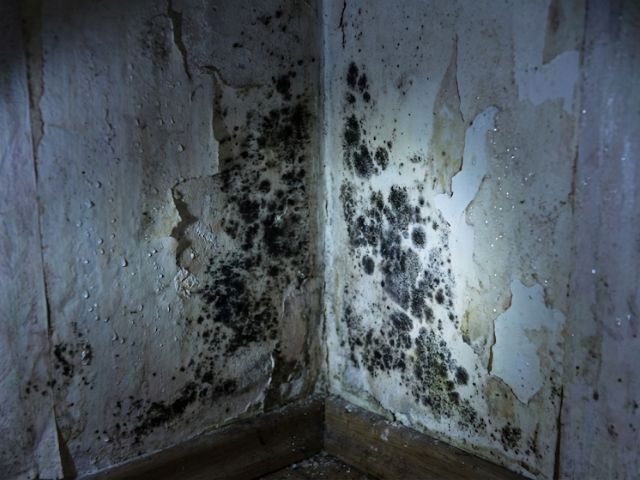
It starts subtly—a musty odor, a few discolored patches on the wall, or a lingering cough that just won’t go away. You might dismiss these signs as minor nuisances, but they could be the early warnings of something much more dangerous: mold. This silent invader creeps into our homes unnoticed, thriving in damp corners and behind walls, silently compromising both our health and the structure of our living spaces.
The hidden dangers of mold are far more serious than most people realize. It doesn’t just cause damage—it steals your comfort, peace of mind, and in extreme cases, your well-being. Let’s peel back the layers and expose what mold is really doing behind the scenes—and how you can stop it in its tracks.
Understanding Mold: What You Can’t See Can Hurt You
What Is Mold?
Mold is a type of fungus that plays a natural role in breaking down organic matter. Outdoors, it’s helpful. Indoors? It’s a nightmare. It reproduces through tiny, airborne spores that are invisible to the naked eye. These spores can travel through your home via the air, your shoes, pets, and even through HVAC systems. When they land on moist surfaces, they grow—and fast.
Common Types of Household Mold
- Aspergillus – Often found in air vents and on dusty surfaces. Can cause respiratory infections and allergic reactions.
- Cladosporium – Common on carpets, fabrics, and wood. Often causes skin rashes and sinus issues.
- Stachybotrys Chartarum (Black Mold) – The most toxic and feared. Grows in areas with constant moisture can cause severe health issues.
How Mold Grows and Spreads
Mold doesn’t need much to survive—just a bit of moisture, warmth, and something organic like wood, drywall, or dust. Once it takes hold, it spreads relentlessly. A single patch of mold can colonize a wall in just a few days, especially if humidity is left unchecked.
Health Risks Associated with Mold Exposure
Respiratory Issues and Breathing Problems
Mold spores are tiny but powerful irritants. When inhaled, they can inflame airways, triggering coughing, sneezing, wheezing, and asthma attacks. People with allergies or respiratory conditions suffer the most, but even healthy individuals are at risk over time.
Skin Irritation and Eye Inflammation
Have you noticed itchy skin, red eyes, or a burning sensation in your throat while indoors? Mold can cause allergic reactions and skin sensitivity—even if you don’t touch it directly.
Long-Term Health Impacts
Prolonged mold exposure can have devastating effects:
- Fatigue and brain fog
- Chronic sinus infections
- Neurological symptoms in children and seniors
These long-term symptoms are often misdiagnosed, allowing mold to continue harming your health unnoticed.
Where Mold Hides in Your Home: The Usual Suspects
Attics and Basements
These areas are poorly ventilated and prone to leaks. Even a small roof leak can lead to black mold growth within insulation and rafters.
Bathrooms and Kitchens
Steam from showers and cooking can raise humidity above 60%, which is ideal for mold growth—especially in grout lines, under sinks, or around leaky pipes.
HVAC Systems and Air Ducts
Perhaps the most insidious hiding place. Mold can grow in ducts and vents, spreading spores throughout your home every time you turn on the heat or AC.
Causes of Mold Growth: What’s Feeding the Problem?
Moisture and Humidity
The #1 cause of mold. Homes with humidity levels above 60% are at serious risk. Homes in regions with high humidity are particularly vulnerable to mold growth due to elevated moisture levels.
Poor Ventilation
Stagnant air leads to condensation buildup. Bathrooms without exhaust fans or sealed windows are common culprits.
Water Leaks and Flooding
Whether it’s a burst pipe or a slow drip under your sink, water damage left untreated is a breeding ground for mold.
Early Signs of Mold Infestation
- Musty Odors – A persistent damp or earthy smell, especially in closed-off rooms.
- Discoloration – Black, green, or even white fuzzy spots on walls, ceilings, tiles, or even furniture.
- Increased Allergy Symptoms – If your nose runs or you develop itchy eyes at home, mold might be to blame.
Recognizing these signs early can save your health—and your wallet.
Proven Mold Prevention Strategies
Control Indoor Humidity
Invest in a dehumidifier and keep humidity below 50%. Use exhaust fans when showering or cooking.
Fix Leaks Immediately
Even the smallest drip can lead to mold in hidden areas like behind drywall or under floorboards.
Ensure Proper Air Circulation
Leave doors open between rooms, open windows when possible, and replace HVAC filters regularly.
Waterproof Your Home
Seal basement walls, insulate cold pipes, and make sure your gutters drain away from your foundation.
Remediation: How to Get Rid of Mold Safely
DIY Mold Removal Tips
For areas smaller than 10 square feet:
- Use vinegar or hydrogen peroxide to kill mold naturally.
- Scrub affected areas with a stiff brush.
- Always wear gloves, goggles, and an N95 mask.
When to Call the Experts
If the infestation is large, reoccurring, or affecting your HVAC system, professional mold remediation is critical. They have the equipment and knowledge to eliminate the source—not just the symptoms.
Disposing of Contaminated Materials
Heavily affected carpets, insulation, or drywall should be removed entirely to prevent re-growth.
What Actually Works for Mold Cleaning
Natural Solutions
White vinegar kills 80% of mold species. Combine it with baking soda for a powerful, non-toxic cleaner.
Top Commercial Products
Look for EPA-approved mold removers with anti-fungal agents like quaternary ammonium or tea tree oil extract.
Avoid Bleach for Porous Surfaces
Bleach doesn’t penetrate surfaces like wood or drywall, allowing mold to grow back quickly.
Post-Remediation Steps
- Inspect regularly—especially during wet seasons.
- Install humidity monitors in risk-prone rooms.
- Maintain a monthly checklist: check for leaks, clean air ducts, and run exhaust fans.
Mold Myths You Shouldn’t Believe
- Myth: “Bleach kills all mold” – Bleach may lighten the color but often doesn’t kill roots in porous materials.
- Myth: “No visible mold means no problem” – Mold often hides in air vents, under floors, or behind walls.
The Real Cost of Ignoring Mold
Structural Damage
Mold weakens wooden beams, eats away at drywall, and ruins insulation. Repairs can cost thousands.
Health Expenses
Missed workdays, medical visits, medication—these costs stack up, especially for families with asthma or allergies.
Decreased Home Value
A home with a mold history is harder to sell, and buyers will demand expensive inspections or repairs.
Conclusion: Trust Crystal Wave Cleaners for Mold-Free Peace of Mind
The hidden dangers of mold go beyond stained walls or musty air—they impact your family’s health, safety, and finances. Taking preventive action today could save you from a costly and dangerous infestation tomorrow.
Whether you need expert advice or professional mold removal, Crystal Wave Cleaners is your trusted partner in creating a clean, safe, and breathable home. Don’t wait until the signs are too obvious—mold doesn’t rest, and neither do we.
FAQs
- What’s the fastest way to eliminate mold at home?
Use distilled white vinegar, let it sit, scrub well, and dry the surface completely.
- Can I live in a home with mold?
Short-term? Possibly. However long-term exposure poses serious health risks, especially for kids and the elderly.
- How do I know if mold is making me sick?
Symptoms like fatigue, frequent coughing, or eye irritation that worsen indoors are strong indicators.
- Are children and seniors more at risk?
Absolutely. Their immune systems are more vulnerable, making them highly sensitive to airborne mold spores.
- Will my homeowner’s insurance cover mold damage?
Only if caused by a covered peril—check with your insurer and keep detailed records of all water-related incidents.
For further information on professional cleaning, head to our next blog “Maximizing Your Home’s Value: The Role of Professional Cleaning in Real Estate”.