
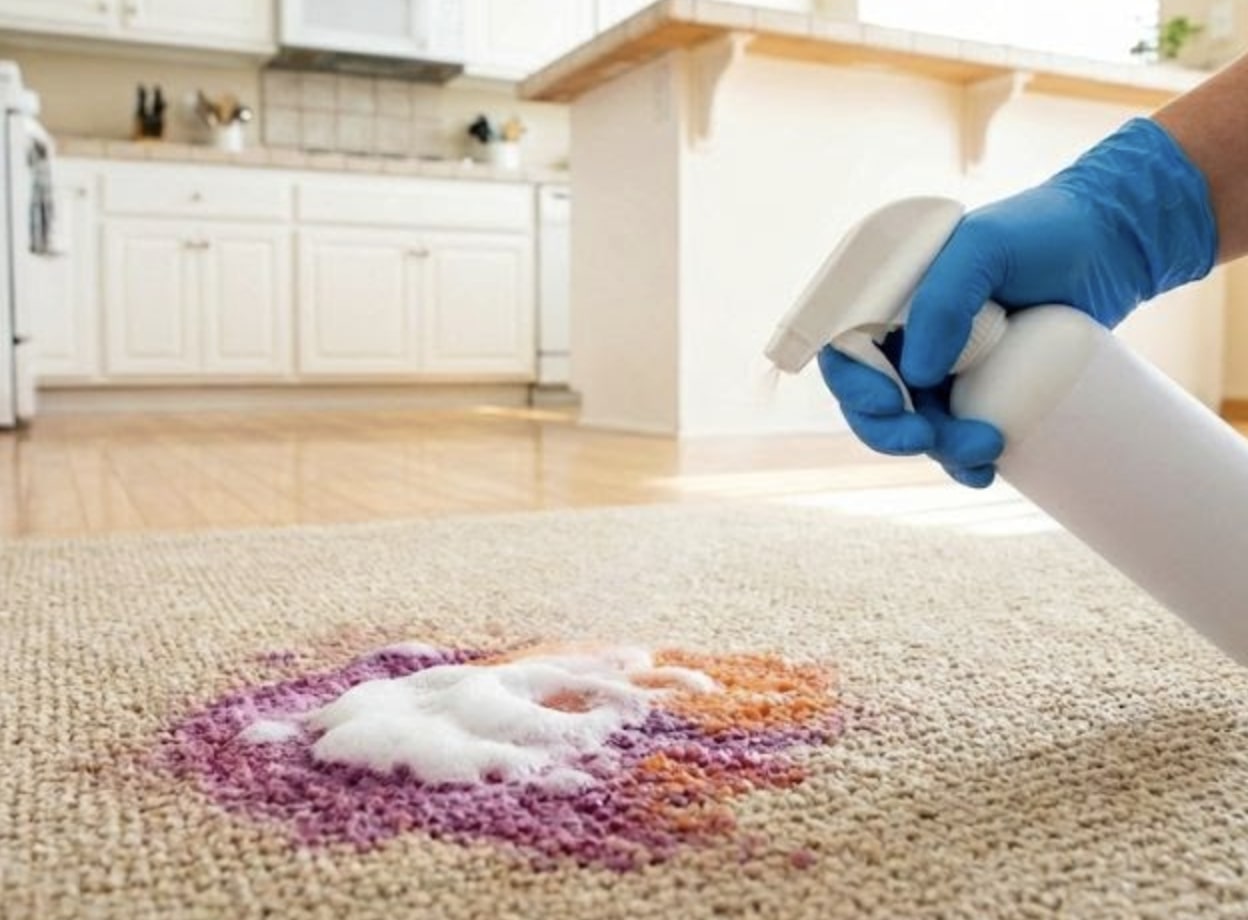
Stains might seem like a simple nuisance, but removing them actually involves a surprising amount of chemistry. Each stain, whether it’s from your morning coffee or a splash of marinara sauce, has a unique chemical makeup that determines how it interacts with different fabrics. This is where the real science of stain removal kicks in.
Understanding the chemical structure of stains and how they bond with fabrics is essential for choosing the right method to eliminate them. In this guide, we explore not only the “how” but also the “why” behind effective cleaning solutions. You’ll uncover professional-grade strategies and techniques for common household spills that can turn you into a true stain-fighting hero.
Whether you’re looking to save your favorite shirt, preserve a vintage tablecloth, or keep your sofa looking spotless, this comprehensive guide equips you with expert tools and proven tactics.
What Makes a Stain So Stubborn?
Chemical Composition of Stains
Each stain tells a different story, chemically speaking. For example:
- Protein-based stains like blood and dairy coagulate and bond to fibers when heated.
- Tannin-based stains from coffee or tea contain plant-based pigments that resist water-based cleaning.
- Oil-based stains like butter or cooking oil repel water and often need surfactants to be removed.
- Dye-based stains (e.g., ink) penetrate deep into fabrics and can be extremely hard to lift without a solvent.
Understanding these basic categories helps in choosing the right treatment.
Absorption and Fabric Types
The way fabrics absorb spills also plays a crucial role. Natural fibers such as cotton or linen are highly absorbent, making stains set quickly, while synthetics may resist water but cling to oils. Wool, being protein-based itself, needs extra care because some treatments might damage the fiber along with the stain.
The Golden Rule: Act Fast!
If there’s one takeaway in this entire guide, it’s this: Speed is your best defense.
The sooner you treat a stain, the higher your chances of complete removal. As stains dry, they begin to chemically bond with the fabric, making them significantly harder to remove. Immediate action could be as simple as blotting the stain with a clean cloth or flushing it under cold water.
Key tips:
- Never rub; always blot.
- Use cold water for protein-based stains.
- Always test cleaners on an inconspicuous area.
Common Stains and Their Characteristics
Coffee and Tea
Rich in tannins, these beverages are notorious for deep, yellow-brown stains. Using acidic treatments like vinegar or lemon juice can break them down effectively.
Wine
Red wine has both tannins and natural dyes. Blot with a paper towel, sprinkle salt, and apply white wine or club soda to neutralize.
Grease and Oil
These stains need a degreaser. Dish soap works wonders, especially when applied directly and left to soak.
Ink
The dyes in ink can be broken down with isopropyl alcohol or even hairspray. Dab gently and avoid spreading the stain.
Blood
Being protein-rich, blood stains respond best to enzymatic cleaners and cold water. Never use heat, as it can set the stain permanently.
Basic Supplies Every Household Should Have
To always be stain-ready, stock your cleaning kit with:
| Item | Purpose |
| White vinegar | Tannin stain remover |
| Baking soda | Deodorizer, stain-lifter |
| Hydrogen peroxide | For blood and wine |
| Dish soap | Grease removal |
| Rubbing alcohol | Ink dissolver |
| Enzymatic cleaner | Protein-based stain solution |
Step-by-Step Stain Removal Guide
- Identify the stain type
- Blot away any excess substance
- Choose the appropriate pre-treatment (acid, base, solvent, enzyme)
- Rinse with the correct temperature water
- Launder or scrub depending on fabric
- Air dry and inspect before heat drying
Each step matters. Skipping one could mean permanently setting the stain.
Power Word Techniques for Stubborn Stains
Enzymatic Cleaners
These mimic biological processes to break down proteins, making them perfect for blood, food, and sweat stains.
pH-Based Cleaning Science
Balancing pH is crucial. Acidic solutions neutralize alkaline stains (e.g., coffee), while alkaline substances like baking soda counter acidic spills (e.g., juice).
Heat and Cold Applications
Cold preserves fabrics and prevents protein coagulation. Warmth helps lift greasy messes but should be used cautiously.
DIY Natural Stain Removal Solutions
- Lemon juice: Natural brightener and sanitizer.
- Salt: Absorbs wine and moisture-based spills.
- Cornstarch: Lifts oily stains from delicate fabrics.
- Baking soda + water paste: Scrub onto fabric for gentle exfoliation and odor removal.
These DIYs are not only eco-friendly but also budget-friendly alternatives to harsh commercial products.
When to Call a Professional Cleaner
Stains on silk, wool, antique textiles, or expensive upholstery shouldn’t be left to chance. Professionals use:
- Industrial-grade enzyme cleaners
- Specialized extraction machines
- Fabric-specific restoration techniques
It’s worth investing in expertise rather than risking irreversible damage.
Fabric-Specific Stain Removal Techniques
Cotton
Highly durable. Can withstand heavy scrubbing and hot water when needed.
Wool
Delicate and prone to shrinking. Use cold water and pH-balanced cleaners.
Synthetics
Repel water but attract oil. Pre-treat with degreasing agents before washing.
Preventing Future Stains
- Apply fabric protection sprays
- Treat spills immediately
- Use placemats and coasters regularly
- Educate family members on basic first-aid stain care
Eco-Friendly and Safe Cleaning Practices
- Choose biodegradable, non-toxic cleaners
- Avoid bleach unless necessary
- Recycle old t-shirts as reusable blotting rags
- Try soap nuts or citrus peel cleaners
For more tips, explore the EWG’s Cleaner Guide.
Frequently Asked Questions
1. What’s the fastest way to remove a wine stain?
- Blot with a cloth, sprinkle salt, and apply club soda. Follow up with cold water and an enzyme-based cleaner.
2. Can vinegar be used on all fabrics?
- No. Avoid it on wool, silk, or acetate. Always test first.
3. Is bleach a good universal stain remover?
- Only for whites. It can weaken fabric and cause discoloration.
4. How do I remove an oil stain from polyester?
- Rub in dish soap, let sit, rinse with warm water.
5. Why use cold water on blood stains?
- Cold water prevents proteins from setting permanently in fabric.
6. Are enzymatic cleaners safe for children and pets?
- Yes, most are non-toxic, but always check the label.
Conclusion
Mastering the techniques for common household spills isn’t just about keeping your clothes and upholstery looking sharp—it’s about understanding the chemistry behind the mess. With quick action, the right tools, and a little bit of knowledge, you can tackle virtually any stain that life throws at you.
But when the going gets tough, or the fabric too precious to risk, trust the pros. Crystal Wave Cleaners brings years of experience and advanced equipment to every stain challenge. We understand not just stains but the science behind what makes them disappear for good.
Don’t let a small spill turn into a big stain—call Crystal Wave Cleaners to restore the sparkle to your fabrics. Stay tuned for our next blog, “Preparing for the Holidays: Deep Cleaning Tips for a Festive Home.”