
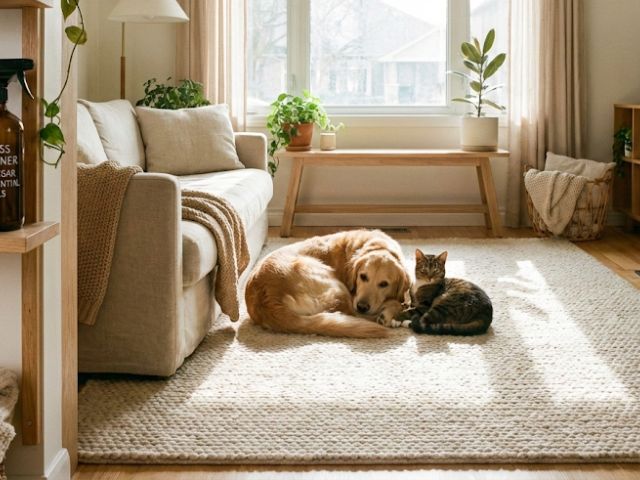
Living with pets is one of life’s greatest joys—they’re cuddly, quirky, and they fill our homes with unconditional love. But let’s be honest: pets are also walking, tail-wagging mess-makers. From shedding fur that never seems to end to mysterious stains on the carpet, keeping your home clean can feel like an endless task. The good news? You don’t have to choose between a clean house and your pet’s health. With the right pet-safe cleaning solutions, you can have both—a sparkling clean home and a happy, healthy furry friend.
This comprehensive guide will help you clean smarter, not harder, with tips, tools, and recipes designed for pet parents who care deeply about their home—and their animals.
Why Pet-Safe Cleaning Matters
The Hidden Dangers in Regular Cleaning Products
Most conventional cleaning products weren’t made with pets in mind. While they might kill bacteria and leave behind a lemony fresh scent, they often contain toxic chemicals that can be extremely harmful to pets—especially those that spend most of their time close to the ground. Dogs, cats, and even rabbits are prone to licking floors, paws, or even furniture surfaces that have been recently cleaned. If those surfaces contain ammonia, bleach, or phenols, your pet could suffer from symptoms like vomiting, skin irritation, and even organ damage with prolonged exposure.
Even the simple act of breathing in fumes from air fresheners or all-purpose sprays can irritate a pet’s sensitive respiratory system. Pets have a faster metabolism and smaller bodies than humans, meaning toxins hit them harder and faster.
Common Ingredients That Harm Pets
Be especially cautious of cleaning products that contain:
- Phenols (common in antibacterial cleaners) – toxic to cats
- Ammonia – found in glass cleaners; irritates eyes and lungs
- Chlorine bleach – extremely dangerous if inhaled or ingested
- Formaldehyde – used in some carpet cleaners; a known carcinogen
- Phthalates – found in scented products; linked to hormonal imbalances
By simply switching to non-toxic, pet-safe alternatives, you can dramatically reduce the risk of accidental poisoning or health issues in your pets.
Understanding Pet-Safe Labels
What to Look For in Pet-Friendly Cleaning Products
Shopping for cleaning products with pets in mind? Look for clear labels that say:
- “Pet-safe” or “Pet-friendly”
- “Non-toxic” or “Free of harsh chemicals”
- “Fragrance-free” or “No artificial scents”
- “Biodegradable” and “Plant-based”
Better yet, look for third-party certifications such as:
- EPA’s Safer Choice
- Leaping Bunny (cruelty-free)
- Green Seal Certified
These endorsements ensure the product has been tested for safety and environmental impact.
Green vs. Pet-Safe: Not Always the Same
Don’t be fooled—“eco-friendly” and “natural” don’t automatically mean safe for pets. Some natural ingredients, like tea tree oil, citrus extracts, or pine oil, are perfectly fine for humans but highly toxic to cats and dogs. Always read the ingredients carefully and consult your vet if you’re unsure.
Best Pet-Friendly Cleaning Solutions for Every Room
Living Room
Hair and Dander Removal Techniques
Your pet’s favorite spot on the couch is likely where you’ll find clumps of fur, dander, and drool. Use a HEPA-filter vacuum daily to trap pet allergens, and pair it with microfiber cloths for surfaces—these clothes actually attract dust and dander instead of pushing them around.
For furniture, rubber gloves can be your secret weapon. Simply dampen them, run your hands over upholstery, and watch fur ball up like magic.
Deodorizing Tips That Are Safe for Pets
To neutralize pet odors safely:
- Sprinkle baking soda generously on rugs or fabric-covered surfaces
- Let it sit for 20 minutes to absorb odors
- Vacuum thoroughly
You can also boil citrus peels, cinnamon sticks, and cloves in water for a non-toxic home fragrance that doesn’t harm your pet’s lungs.
Kitchen
Safe Surface Cleaners
The kitchen is the heart of the home—and a hotspot for bacteria. A simple mix of equal parts white vinegar and water makes an excellent surface cleaner that cuts through grease and eliminates germs. It’s safe enough that your dog could literally lick the counter (though we hope they don’t!).
Natural Degreasers
Got tough grime? Mix vinegar with a few drops of pet-safe dish soap or a sprinkle of baking soda. It’ll fizz into a powerful natural scrub that’s gentle on surfaces—and safe if your pet walks by mid-clean.
Bathroom
Disinfectants That Don’t Harm Pets
For disinfecting counters, litter box areas, or pet bathing stations, try hydrogen peroxide diluted with water (1:1). It kills germs, doesn’t emit harsh fumes, and is far less risky for pets than bleach-based products.
Bedroom
Keeping Bedding Clean Without Harsh Chemicals
Wash your bedding and your pet’s blankets weekly using fragrance-free, dye-free detergent. Add 1 cup of white vinegar to the rinse cycle to banish lingering odors and allergens naturally.
DIY Pet-Friendly Cleaning Recipes
Why not make your own cleaners? They’re cheap, safe, and effective.
All-Purpose Cleaner
- 1 cup distilled white vinegar
- 1 cup water
- 1 tsp of unscented liquid soap
- Optional: 3 drops of lavender or chamomile essential oil (pet-safe)
Carpet Freshener
- 1 cup baking soda
- 10 drops of lavender essential oil (or skip oil entirely)
- Mix and sprinkle over carpets. Let sit for 15–30 minutes before vacuuming.
Pet Stain & Odor Remover
- 2 cups warm water
- 2 tbsp baking soda
- 2 tbsp white vinegar
- Mix in a spray bottle. Spray on stains, let sit for 10 minutes, blot dry.
Tips for Daily and Weekly Cleaning with Pets
Establishing a Pet Cleaning Routine
A solid routine keeps the mess under control:
- Daily: Sweep or vacuum, wipe surfaces, clean bowls
- Weekly: Mop floors, wash bedding, clean litter boxes or cages
- Monthly: Deep clean carpets, wash windows, refresh furniture covers
Managing Shedding Seasons
Brush your pet before the fur hits the floor. Use tools like the Furminator, which can drastically reduce shedding by pulling loose undercoat hair.
Cleaning Muddy Paw Prints
Create a “paw-cleaning station” by the door with:
- A washable mat
- A bowl of warm water
- A towel
- Pet-safe paw wipes
Wipe down paws after every outdoor adventure to prevent dirt from tracking inside.
How to Handle Pet Accidents the Right Way
Cleaning Urine, Vomit, and Other Messes
Use enzymatic cleaners to break down organic waste—these are essential to eliminate not just the smell, but the chemical signal that tells pets to “go here again.”
Avoiding Repeat Offenses
If you don’t clean thoroughly, pets will return to the same spot. Use a UV blacklight to find hidden stains, and follow up with odor-neutralizing sprays.
Cleaning Products to Avoid with Pets at Home
These should be on your “absolutely not” list:
- Bleach
- Ammonia
- Tea Tree Oil
- Clove or Eucalyptus Oil
- Lysol or Pinesol-type products
When to Call in Professional Cleaners
If your carpets smell like wet dogs or there’s an odor you just can’t remove, it’s time to call in the pros. Many cleaning companies now offer pet-safe services—just ask what products they use and request scent-free options.
Final Thoughts on Clean Living with Pets
Being a pet parent means accepting the occasional furball, paw print, or nose smudge—but that doesn’t mean you have to live in chaos. By choosing the right pet-friendly cleaning solutions, creating a manageable routine, and calling in expert help when needed, you can enjoy a home that’s both sparkling clean and completely safe for your pets. A professional house cleaning checklist can help you stay organized and ensure every nook and cranny is taken care of. With Crystal Wave Cleaners, you’ll never have to choose between a tidy home and your pet’s well-being—because we believe in delivering the best of both worlds.
FAQs
- Can vinegar harm my pet if they lick it?
Vinegar is generally safe in small amounts, though the taste might deter licking. Still, avoid direct contact with eyes or wounds.
- Are essential oils safe to use around pets?
Only some! Avoid tea tree, eucalyptus, clove, and citrus. Stick to pet-safe oils like lavender and chamomile—and always use diluted.
- What’s the best vacuum for pet hair?
Look for HEPA-filtered vacuums like the Dyson Animal or Shark Navigator. These are specifically designed to handle pet fur and dander.
- Is baking soda safe for pets?
Yes, baking soda is safe and super useful as a cleaner and deodorizer—just don’t let pets eat large amounts.
- How often should I wash my pet’s bedding?
At least once a week, or more frequently if your pet sheds a lot or has allergies.
Discover more insights in our upcoming blog about “The Hidden Dangers of Mold: Prevention and Remediation Strategies”.